
Helping you make informed, balanced choices for your dog’s wellbeing
I’m Sarah, owner of Golden Paws Essex. I’m an experienced, licensed dog carer, but I’m not a vet or a scientist. This blog is for information only and is not a substitute for veterinary advice.
Your own vet should always be your first port of call for medical decisions. However, If something does not sit right with you, it is absolutely fine to ask questions, request copies of blood results, or seek a second opinions. Your dog cannot speak for themselves, so you are their advocate and guardian.

What These Diseases Are and Why We Work to Prevent Them
When we talk about vaccines, worming or titre tests, the real aim is simple, we’re trying to protect dogs from a handful of illnesses and parasites that can cause serious harm if left unchecked. Some are viral, some are bacterial, and some are carried by fleas, ticks or contaminated soil. A few can be passed to humans, (Zoonotic) and others can spread quickly between dogs. Understanding what these diseases actually are and what early symptoms can look like, helps us as owners make calm, informed choices. It’s not about scaring anyone, it’s about knowing what we’re trying to avoid so we can keep our dogs safe, healthy and happy.
“Good to know” At-a-Glance THE Disease Table AND SYMPTOMS
| Disease | What It Is | How It Spreads | Common Symptoms |
|---|---|---|---|
| Distemper | Viral disease affecting lungs, gut, nervous system | Contact with infected dogs or wildlife | Fever, coughing, vomiting, seizures |
| Hepatitis (Adenovirus) | Viral liver disease | Urine, saliva, faeces | Fever, abdominal pain, jaundice |
| Parvovirus | Highly contagious viral GI disease | Faecal contamination | Bloody diarrhoea, vomiting, collapse |
| Leptospirosis | Bacterial disease, zoonotic | Rat urine, standing water | Fever, vomiting, kidney/liver damage |
| Kennel Cough | Upper respiratory infection | Airborne droplets | Coughing, gagging, runny nose |
Understanding the Basics – Vaccines, Worming and Titre Testing
Vaccination, worming and titre testing all share one purpose, protecting our dogs and reducing the spread of disease. Vaccines teach the immune system to recognise harmful viruses such as Distemper, Hepatitis, Parvovirus and, depending on lifestyle, Leptospirosis and Kennel Cough, before they cause illness. While worming removes internal parasites that can affect both dogs and people, including roundworms, hookworms and tapeworms.
Titre testing checks a dog’s blood for antibodies to see if they still have active protection. The real discussion isn’t about choosing one method over another, but about finding a balance, using science, risk assessment and veterinary advice to guide us in what’s right for each dog. It’s important to realise that age, health, lifestyle and local disease risk all play a part. At Golden Paws Essex, we encourage owners to work in partnership with their vet to create a plan that protects their dogs without over-treating or leaving gaps in care.
If you’re unsure whether a titre test could help your dog, speak to your vet before making any changes
Core Vaccines and What They Protect Against
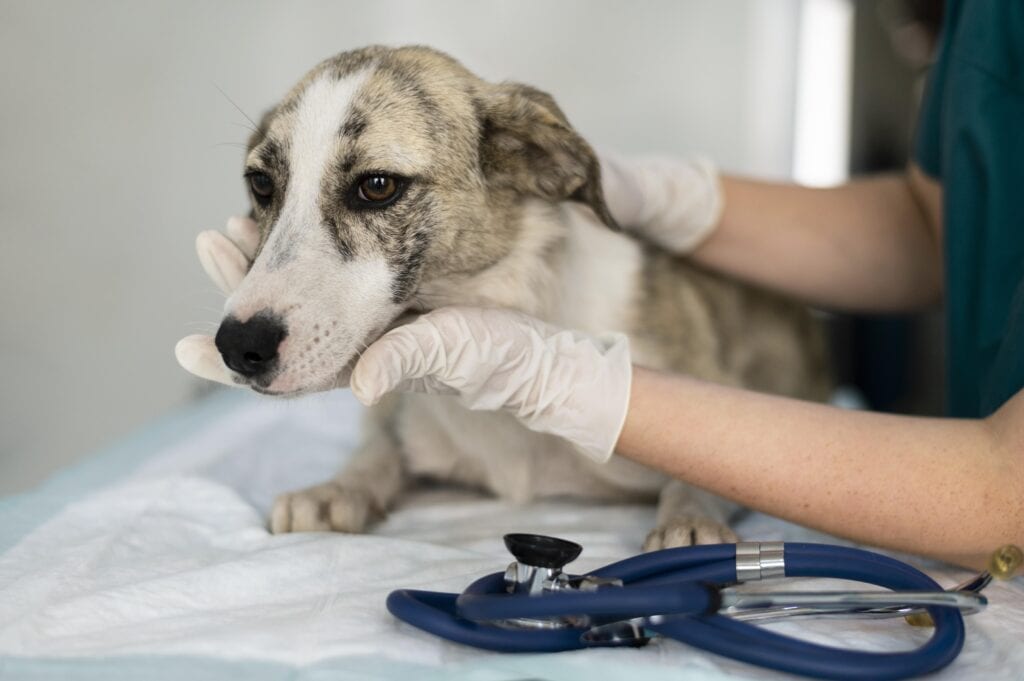
Core vaccines are the foundation of every dog’s health plan. They protect against three life-threatening diseases. For dogs, the core viral vaccines usually cover
• D – Canine distemper virus (distemper)
• H – Canine adenovirus (infectious hepatitis)
• P – Canine parvovirus (parvo).
These are typically given as a combined injection such as DHP. Many Vet practices also strongly recommend leptospirosis vaccination, because it is a zoonotic disease (it can affect us as humans) and is associated with standing water, wildlife and farm run-off. Some councils and insurers treat leptospirosis as effectively “core” in the UK.
These viruses still exist in the UK and can spread quickly between unprotected dogs, so ensuring immunity is vital. After a puppy completes its full vaccine course and first booster, research from WSAVA and BSAVA shows that protection from DHP can last for many years, sometimes for life. That’s where titre testing can help confirm ongoing immunity instead of automatically revaccinating. If you’re unsure whether a titre test could help your dog, speak to your vet before making any changes
NON CORE VACCINES
The other vaccines you’ll hear mentioned will be, Leptospirosis and Kennel Cough, these are classed as non-core because the need depends on lifestyle and local risk. Leptospirosis, for instance, is more common where dogs swim, drink from puddles, or encounter rats, while kennel cough spreads in busy social settings such as day care and boarding. These are usually given annually. A good vet will tailor your dog’s vaccination schedule to their individual risks rather than taking a one-size-fits-all approach.
Who are WSAVA?
World Small Animal Veterinary Association
They are a global organisation representing more than 200,000 veterinarians across 115 member associations worldwide.
I have included their research as WSAVA produces the Global Vaccination Guidelines, which are considered the international gold standard for how, when, and why dogs and cats should be vaccinated. Their work underpins much of the science behind titre testing, vaccination intervals, and risk-based approaches. I would fully recommend checking out their website
Their Purpose: To promote excellence in small animal practice through education, resources, and clinical guidance.
Guidelines
Who are the BSAVA?
British Small Animal Veterinary Association
It’s the UK’s professional body supporting veterinary surgeons who work with small animals (dogs, cats, rabbits, etc.).
BSAVA issues UK-specific vaccination guidelines that align closely with WSAVA but are adapted for local disease risks, licensing requirements, and DEFRA regulations. They also provide continuing education for vets and guidance on interpreting titre test results in practice.
Their Purpose: To set international standards for companion animal care and veterinary practice.
https://www.bsava.com/publications/Special Considerations for Puppies
Puppies have immature immune systems and rely on maternal antibodies early on. That’s why they need a series of vaccines rather than just one. The final DHP vaccine should be given at 16 weeks or later to ensure immunity isn’t blocked by maternal antibodies. Titre testing can be used after the final puppy vaccine to confirm immunity, but shouldn’t replace the full course.

VACCINES IN Older Dogs and Those with Health Conditions

Senior dogs may have weaker immune responses and immunity can wane faster with age or illness. Dogs with chronic conditions may require tailored vaccine decisions , vets often adjust schedules or use titre tests to minimise stress. Medically exempt dogs need a written veterinary note for day care compliance under DEFRA’s welfare licensing.
At Golden Paws Essex we always ask owners to tell us about any ongoing medical conditions, recent reactions or immune‑related issues. We cannot override veterinary advice, but we may ask for clarification from your vet before agreeing a day care or boarding plan for medically complex dogs, so that everyone is clear on what is safest and kindest for that individual dog, and so we have a plan in place as well.
“Good to know” Vaccine brands, what they cover, and known side effects
| Vaccine (example brand) | Manufacturer | What it protects against | Commonly reported side effects* | Main benefits |
|---|---|---|---|---|
| Nobivac DHP | MSD Animal Health | Core viral diseases: distemper, infectious hepatitis (adenovirus), parvovirus. | Small swelling at injection site, sometimes firm or mildly painful for a few days; occasional short‑lived fever, reduced activity or mild hypersensitivity reactions such as facial swelling, itching, vomiting or diarrhoea. Serious allergic reactions are described as very rare in the SPC. | Proven protection against the three major core viral diseases; usually boosted every 3 years after the primary course. |
| Canigen DHP | Virbac | Core viral diseases: distemper, infectious hepatitis (adenovirus), parvovirus. | Diffuse swelling up to about 5 mm at the injection site, sometimes painful and lasting up to 3 days; rare transient rise in body temperature; rare acute hypersensitivity (anaphylaxis) with signs such as lethargy, facial swelling, breathing difficulty, vomiting or collapse; very rare reports of immune‑mediated conditions (haemolytic anaemia, thrombocytopenia, polyarthritis). | Comparable protection to other DHP vaccines; licensed 3‑year booster interval once the dog has completed its primary course. |
| Versican Plus DHPPi/L4 (combination) | Zoetis | Core viral diseases (DHP + parainfluenza) plus four strains of Leptospira (L4) in a single schedule. | Transient injection site swelling (up to around 5 cm), which may be warm or painful; mild, short‑lived increase in body temperature; some dogs show reduced activity or appetite for a couple of days. Serious reactions are classed as rare or very rare in the SPC. | Combines core viral and lepto protection in one programme; reduces the number of separate vet trips in many puppies and adult dogs. |
| Nobivac L4 (leptospirosis) | MSD Animal Health | Four Leptospira serogroups associated with leptospirosis in dogs and humans. | Local injection site swelling (sometimes up to several centimetres and lasting days to a few weeks), mild fever, temporary lethargy and reduced appetite. As with all vaccines, very rare serious allergic reactions are reported via pharmacovigilance. | |
| Nobivac KC (intranasal kennel cough) | MSD Animal Health | Bordetella bronchiseptica and canine parainfluenza virus. | Very common mild nasal discharge; common cough, sneezing or eye discharge in the first few days; very rare more marked respiratory signs. These signs usually resolve on their own within a few days in otherwise healthy dogs. | Mucosal route gives rapid onset of local immunity; often accepted as evidence of kennel cough protection for daycare, grooming and boarding. |
| Versican Plus BbPi IN (intranasal kennel cough) | Zoetis | Bordetella bronchiseptica and canine parainfluenza virus, given as nasal drops. | Very common nasal discharge; common mild eye discharge, coughing or a little “off‑colour”; uncommon sneezing. Signs are described as mild and usually settle in 1–3 days without treatment. | Alternative intranasal kennel cough option; licensed from 3 weeks of age with one‑year duration of immunity. |
Side effect information summarised from the manufacturers’ SPCs and VMD product information at the time of writing. “Very common” usually means more than 1 in 10 dogs affected, “common” 1–10 in 100, “uncommon” 1–10 in 1,000 and “very rare” fewer than 1 in 10,000. Remember that a “suspected adverse reaction” report does not always prove the vaccine caused the problem, only that the timing raised concern.
Titre testing – what it can and cannot tell you
A titre test measures the level of specific antibodies in your dog’s blood. In practice, this is usually used to check immunity to core viral diseases such as distemper, parvovirus and infectious hepatitis. In many dogs, a positive titre for these viruses correlates well with protective immunity, especially once they are over 1 year old and have completed a full vaccine course.
However, Titre testing has limitations. It does not measure memory cells. What Are Memory Cells? I hear you say… well
Memory cells are long-lasting immune cells that “remember” a virus after vaccination or a previous infection. Even if antibody levels drop over time, these cells can switch back on quickly if a dog is exposed to the same disease again.
This is why a low or negative titre result does not always mean a dog has no protection.so a low or negative titre does not always mean a dog is unprotected. It also does not work well for every disease. So for leptospirosis, for example, antibody levels can be hard to interpret and protection is relatively short‑lived, so titre testing is not routinely used instead of vaccination for Lepto. Your vet will normally suggest titre testing as a tool alongside, not instead of, a proper risk assessment for your dog.
From a day care or boarding point of view, most councils and insurers still expect up‑to‑date core vaccination records, though some will accept documented core vaccine titres for DHP in adult dogs as evidence of protection. Requirements can vary between local authorities, so it is important for owners and operators to check the wording of their specific licence conditions.
You can read more about how we manage health and safety in our day care here
https://goldenpawsessex.co.uk/daycare
Worming, fleas and ticks – medication and A “more natural” support
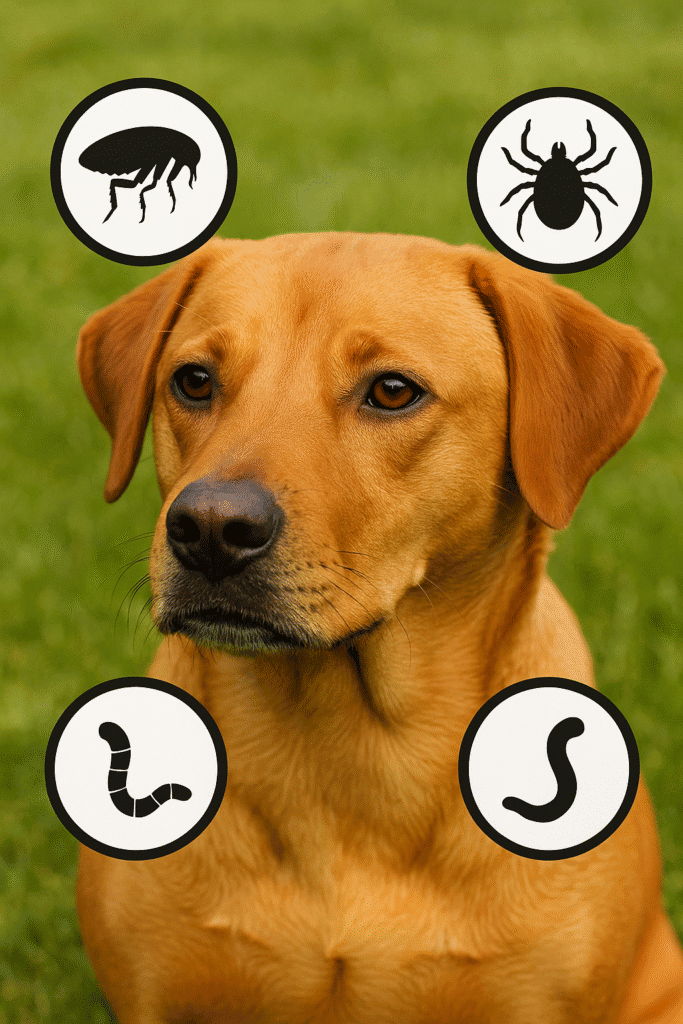
Parasite control is another area where owners often look for more natural options. In the UK, organisations such as ESCCAP UK & Ireland recommend that vets base worming and ectoparasite plans on lifestyle and local risk. Working dogs, or raw‑fed dogs, or those that hunt or scavenge, and those living with young children or immunocompromised adults may need more frequent worming and tick protection than low‑risk pets.
For reliable, science-led guidance on worming frequency and risk levels, ESCCAP UK provides clear recommendations for dog owners.”
Conventional products include spot‑ons, tablets, collars and injections prescribed or supplied under veterinary supervision. They have the advantage of quantified efficacy and safety data. Reported side effects range from mild stomach upset or itchiness through to rare but serious neurological or allergic reactions, which are monitored via the VMD’s pharmacovigilance system.
“Natural” approaches, such as herbal sprays, garlic‑free botanical repellents, careful coat checks, tick hooks, good hygiene and faeces pick‑up, can help reduce parasite exposure, but on their own they are rarely enough in higher‑risk dogs. Some popular internet remedies have very little data behind them, and a few (for example, products containing certain essential oils or inappropriate doses of garlic) can be harmful. As with vaccines, the safest route is to discuss your dog’s individual risk profile with a vet who knows your area.
“It’s important to remember that natural doesn’t automatically mean safe, and prescribed doesn’t automatically mean dangerous. What matters is evidence, dose, the dog in front of you and guidance from a qualified vet.”
Some owners like to offer furry treats, things like rabbit ears with fur, lamb legs with fur or whole prey chews, because the indigestible hair can act a bit like a natural brush through the gut. It may help move along some types of worm material in low-risk dogs. There’s no solid scientific evidence that furry treats remove or prevent worms on their own, so vets recommend only ever be used as an extra, not as the main plan. If you want to include them in your dog’s diet, chat with your vet or nutritionist first, especially for dogs with sensitive digestion.
“Good to know” Flea, Tick and Worm Treatments: What Each Product Does and potential side effects
| Product Type | Example Brand | What It Treats | Common Side Effects (from SPCs) | Benefits |
|---|---|---|---|---|
| Spot-On Treatment | Advocate (Imidacloprid + Moxidectin) | Fleas, mange mites, roundworms, hookworms, lungworm | Mild skin irritation at application site, transient hair loss, lethargy; rare neurological signs in MDR1 dogs | Broad spectrum, covers lungworm, easy monthly treatment |
| Spot-On Treatment | Frontline / Fipronil Spot-Ons | Fleas & ticks (no lungworm or worms) | Temporary hair clumping, mild skin irritation; very rare neurological symptoms | Non-systemic, good for dogs who react to oral flea meds |
| Chewable Tablet | Bravecto (Fluralaner) | Fleas, ticks, demodex & sarcoptes mites | Vomiting, diarrhoea, reduced appetite; rare tremors, ataxia or seizures | 12-week protection, very effective for heavy tick areas |
| Tablet / Chew | NexGard Spectra (Afoxolaner + Milbemycin) | Fleas, ticks, roundworm, hookworm, lungworm | Vomiting, diarrhoea, itchiness, lethargy; rare neurological signs | One monthly chew covering fleas, ticks AND worms |
| Broad-Spectrum Wormer | Milprazon | Roundworm, hookworm, whipworm, tapeworm & lungworm | Mild GI upset; rare neurological signs in MDR1-susceptible dogs | Covers lungworm and common intestinal worms |
| Collar | Seresto Collar (Imidacloprid + Flumethrin) | Fleas & ticks | Mild skin irritation or rubbing at collar site; rare neurological signs | 7–8 months continuous flea/tick protection, water-resistant |
| Topical “Environmental Support” | Diatomaceous Earth (safe, food-grade only) | Helps reduce flea presence in the environment (not a dog treatment) | If inhaled: coughing, irritation (DO NOT use on dogs with respiratory issues) | Natural environmental support when used correctly, never a replacement for veterinary products |
| Natural Repellent | Repellent Herbal sprays (citronella-free, dog-safe blends) | Repels, does not kill fleas/ticks/worms | Skin sensitivity in some dogs; risk if sprayed near eyes | Useful extra layer for low-risk dogs when combined with proper vet-led parasite control |
Spot-Ons, Chews, Collars or Natural Support – What is Right for Your Dog?
Spot-ons
- Great for dogs who can’t tolerate oral medications
- Less systemic absorption than some chews
Chews / tablets
- Highly effective and often broader protection
- SPC-monitored data shows serious reactions are very rare
Collars
- Long-lasting, low-maintenance protection
- Ideal for dogs who need consistent tick control
Natural additions
- Can reduce exposure when used sensibly
- But cannot replace licensed parasite treatments in a group-care environment (including Golden Paws Essex)
What this means for us as a dog day care and boarding establishment
Under the Animal Welfare (Licensing of Activities Involving Animals) (England) Regulations 2018 and the associated Defra guidance for providing day care for dogs, local authorities expect licence holders to protect dogs from preventable disease. In practice, most councils require evidence of up‑to‑date core vaccination and strongly encourage leptospirosis and kennel cough vaccination, unless there is a documented medical reason not to vaccinate.
Some local authorities will accept documented, vet‑interpreted titre results as evidence of protection for core viral diseases, particularly in adult dogs that have previously completed a full course. However, it is much less common for titre tests to replace leptospirosis vaccination in licensed settings, because of the zoonotic risk and the shorter duration of immunity. Did you know, Day care operators also have to satisfy their insurers that they have taken reasonable steps to prevent avoidable disease?
At Golden Paws Essex in Chelmsford, we work within our licence conditions, local council expectations and our own risk assessments.
We always:
• Ask for your dog’s vaccination history and any titre results.
• Record any adverse vaccine reactions you report and, with your permission, discuss them with your vet.
• Keep parasite control under review, particularly for dogs mixing closely with others or visiting secure fields and woodland.
• Reserve the right to decline a dog whose vaccination or parasite status we believe would put them, or others, at unreasonable risk.
Please understand This is not about judging anyone’s choices. It is about balancing individual freedom with our legal and ethical duty of care to every dog who walks through our door.
Social media, scare stories and making balanced decisions

Like many dog owners, I have seen posts on social media about specific vaccines and parasite treatments often naming a particular product and listing long and frightening side effects. One such post about a vaccine is what prompted me to sit down and write this blog. When you love your dog, it is completely natural to feel anxious when you read stories like that.
It is important to remember that:
• A “suspected adverse reaction” report does not automatically prove the vaccine or medicine caused the problem.
• Online posts may be based on a single case, second‑hand information or may mix up details.
• Well‑designed studies and regulator data sets look at hundreds of thousands of doses, not just individual stories.
• Vaccines and medicines are continually monitored by regulators such as the VMD. If a genuine safety signal appears, product information and recommendations are updated.
This does not mean owners should ignore their instincts. If your dog is unwell after any treatment, speak to your vet promptly and make sure the reaction is reported. If you come across a worrying post online, use it as a prompt to have a calm, fact‑based conversation with your vet rather than as a reason to panic or stop treatment abruptly. My aim with this blog is not to tell you what to do, but to help you find good‑quality information so you can make informed choices for your own dog.
Alternatives and flexibility we may consider at day care

Within the limits of our licence conditions and insurance, there are situations where we may discuss alternatives with your vet, for example:
• Accepting documented core vaccine titre tests for DHP in an adult dog with a genuine, vet‑recorded history of serious vaccine reaction.
• Adjusting the timing of kennel cough vaccination around known respiratory outbreaks, or pausing it temporarily in a dog with a compromised airway, on veterinary advice.
• Using a different brand or type of parasite treatment (for example, a collar instead of a tablet) where there is a clear pattern to previous side effects.
• Combining careful manual tick checks, secure‑field walks and lifestyle changes with the lowest effective parasite treatment schedule agreed with your vet.
What we cannot do is ignore licence conditions, accept unvaccinated dogs without documented medical justification, or rely solely on unproven “natural” parasite products in a busy group‑care setting. That would not be fair on your dog, or on anyone else’s.
How to Report a Reaction to a Vaccine or Medication
If your dog ever has a worrying response after a vaccine, flea/tick product or wormer, it’s important to record it properly. In the UK, reactions are monitored by the VMD (Veterinary Medicines Directorate).
The easiest way to report it:
Go through your vet. They’ll submit an official Suspected Adverse Reaction Report with all the details.
You can also report it yourself using the government’s online form:
http://Report a suspected problem with an animal medicine or microchip – GOV.UK
You’ll be asked for:
- Product name (e.g., Nobivac DHP, Bravecto, Advocate)
- Batch number (if you have it)
- Date and time the dose was given
- Symptoms you saw and how long they lasted
- Whether your dog recovered
- Vet details (optional but helpful)
Reporting doesn’t mean the medicine caused the problem.
It simply adds the case to national data so safety trends can be monitored.
At Golden Paws Essex, please also tell us about any reactions. We’ll record it and, with your permission, work with your vet to make sure your dog stays safe and still meets our licence and insurance requirements.
Further Reading for Dog Owners Who Want to Learn More
If you’d like to dig deeper into vaccines, natural support, parasite control and long-term canine health, these are the resources I was recommended to read and myself would pass this on. They’re balanced, well-researched and written by people who genuinely understand the mix of science, lifestyle and common sense we need as dog owners.
Books with a Natural / Holistic Lean
1. The Forever Dog — Rodney Habib & Dr Karen Shaw Becker
A global bestseller that looks at longevity, chronic inflammation, nutrition and lifestyle factors that influence long-term health. They discuss vaccine schedules, environmental toxins and immune balance. They also talk about reducing unnecessary stress on the immune system. Titre testing fits into this thinking by checking whether a dog already has protective antibodies before repeating certain vaccines.
Great for owners who want the why, not just the what.
2. The Forever Dog Life — Rodney Habib & Dr Karen Shaw Becker
A follow-on practical guide, packed with manageable changes for everyday life. Covers diet, enrichment, environmental exposures and general wellness.
3. The Herbal Dog — Rita Hogan
A trusted herbalist who explains how plant remedies can support immunity, digestion, stress, skin and resilience. She is clear that herbal support does not replace veterinary care, but can work alongside it. Rita Hogan’s work in The Herbal Dog is all about balancing a dog’s natural immunity without overwhelming the system. Titre testing can be part of this conversation, especially when owners want to understand whether their dog already has antibody protection
4. Canine Nutrigenomics — Dr Jean Dodds & Diana Laverdure-Dunetz
Looks at how diet affects inflammation, immunity and long-term disease risk. Helpful if owners want to understand how lifestyle affects the immune system’s response to vaccines or illness. Dr Jean Dodds talks about tailoring care to the individual dog. Titre tests align with this approach by showing whether a dog’s immune system still carries protective antibodies.
Veterinary & Scientific Sources (Neutral, Evidence-Based)
These are ideal for fact-checking claims online and getting reliable, up-to-date guidance.
WSAVA Vaccination Guidelines Group (VGG)
Global canine vaccination recommendations written by leading immunologists and vets.
https://wsava.org/
BSAVA (British Small Animal Veterinary Association)
UK-based professional body. Their vaccine notes and formularies are gold-standard for vets.
https://www.bsava.com/
VMD (UK Veterinary Medicines Directorate)
The regulatory body for reporting adverse reactions to vaccines and medications.
Use this for checking safety data and reporting side effects.
https://www.gov.uk/report-veterinary-medicine-problem
ESCCAP UK (European Scientific Counsel Companion Animal Parasites)
The most reliable parasite control guidance in Europe. Great for worming, fleas and ticks.
https://www.esccap.org/
RCVS Knowledge
Evidence-based veterinary resources explained in plain English.
https://knowledge.rcvs.org.uk/
Why these books and sources complement each other
The books mentioned lean towards holistic care, while still referencing published research. They invite you to question, learn and make informed decisions. The veterinary bodies provide the scientific backbone: safety studies, disease prevalence, vaccine response data and risk assessments.
Together they give you as an owner a balanced view.
This is exactly the approach we take and educate ourselves on at Golden Paws Essex.
FAQ – common questions owners ask
1. Can I rely on titre testing instead of vaccinating my dog?
Sometimes, for core viral diseases and usually only in adult dogs that have already had a full vaccine course. Titre results still need to be interpreted by a vet and are less useful for leptospirosis, where immunity is shorter‑lived and the tests are harder to interpret. Many day care providers and insurers still expect proof of vaccination, so always check first.
2. Are leptospirosis vaccines really necessary in the UK?
They are strongly recommended by BSAVA and many local authorities because leptospirosis can be life‑threatening and is zoonotic. The overall risk of serious side effects appears low compared with the risks of disease in most dogs with normal lifestyles, but it is still important to discuss your dog’s individual risk and any previous reactions with your vet.
3. How often should my dog be wormed and treated for fleas and ticks?
There is no one‑size‑fits‑all answer. ESCCAP UK & Ireland advise tailoring parasite control to lifestyle and local risk. A country‑walking, raw‑fed, scavenging dog living with young children will usually need more frequent treatment than a toy breed on a lead around town. Your vet or suitably qualified person (SQP) can help you build a plan.
4. My dog had a bad reaction to a vaccine in the past – can they still come to day care?
Possibly, but it has to be handled carefully. We would normally ask for a written note from your vet describing what happened and what they recommend going forward. In some cases, titre testing, brand changes or altered schedules may be enough. In others, group care might not be the safest option. We will always put the dog’s welfare first.
5. Are “natural” flea and worm products safer than prescription treatments?
“Natural” does not automatically mean safe, and “chemical” does not automatically mean dangerous. Licensed veterinary medicines have to meet strict standards for quality, safety and efficacy. Some herbal and botanical products can be useful complements but many are under‑researched or can cause their own side effects if used incorrectly. Always check with your vet before using them, especially if your dog has other health conditions or is on medication. Poison is dose-dependent, not source-dependent
6. How do I know if advice I see on social media is trustworthy?
Look for posts that reference recognised bodies such as WSAVA, BSAVA, BVA, ESCCAP or the VMD, and that link to actual data rather than just personal stories. Be cautious of content that relies on fear, sweeping statements or “secret knowledge”. When in doubt, take a screenshot to your vet and ask them to walk you through the evidence.
Acknowledgements
I also want to say thank you to the people who have shared their knowledge, pointed me towards trusted resources and helped guide parts of my research. Everything in this blog has been pieced together carefully from reputable veterinary guidance, scientific sources and the books and materials recommended to me along the way. While the responsibility for the final content is mine, I’m grateful for the support that helped me shape it into something balanced, factual and hopefully genuinely useful for dog owners and our Golden Paws Family. The aim has never been to persuade anyone one way or another, but simply to make reliable information easier to understand so you can make the right decisions for your own dog.